
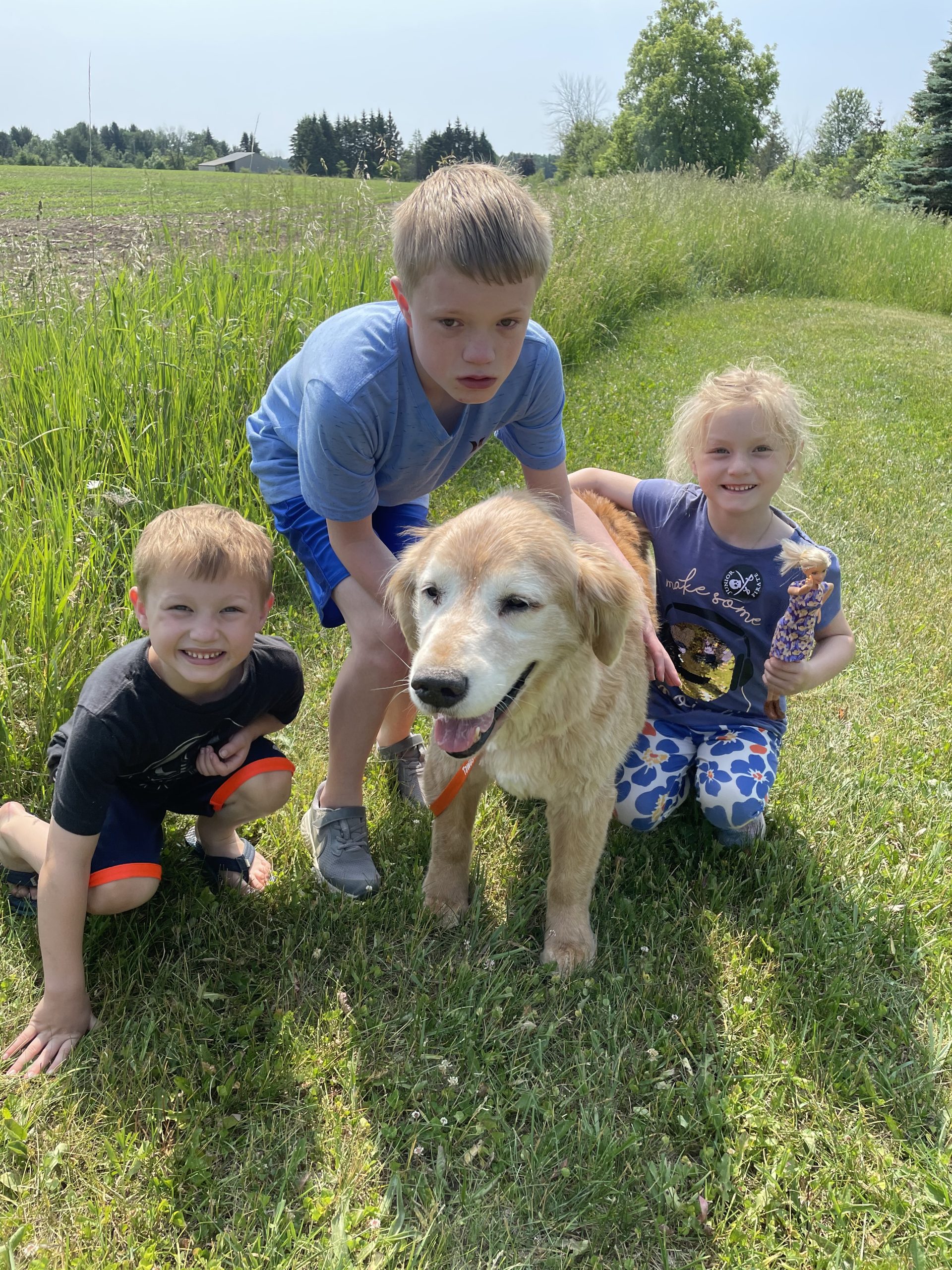
“We have our own pets, our own families, our own grief and love stories that shape who we are.”
I love this work. I love animals. I love people. I love the bond between them. After more than 23 years as a veterinarian, I truly believe I was meant for this.
But I also know there is a darker side of this profession — a side too many of us carry silently. Because the truth is: the risk of suicide among veterinarians is not just elevated — it’s tragic and urgent.
Where We Stand Among Other Professions
The numbers are heartbreaking:
- Veterinarians are up to 3–5 times more likely to die by suicide than the general population.
- Female veterinarians are 2.4 times more likely to die by suicide than their peers outside the profession.
- Studies show our rate is more than double that of the medical profession and up to four times that of the general population.
- Between 1979 and 2015, nearly 400 U.S. veterinarians died by suicide.
These aren’t statistics — they’re people. They’re colleagues, classmates, and friends who entered this field to heal and to help — but who carried emotional pain that went unseen.
What’s Behind These Numbers
There is no single cause — but there are patterns we can’t ignore.
- The emotional burden: We live between life and loss every single day — holding space for the love people have for their pets while guiding them through some of their hardest moments.
- The perfectionism: Many of us enter this profession driven, high-achieving, and with enormous empathy. When something goes wrong, we internalize it.
- Stigma and silence: We’re expected to be the helpers, the fixers. Asking for help can feel like failure.
- The financial strain: Most veterinarians carry tremendous financial stress. We leave school with hundreds of thousands in student loans, operate small businesses with tight margins, and try to keep our prices affordable while the cost of medication, technology, and staff wages rise. We pay our teams what we can, but it never feels like enough for what they give. We carry business loans, credit lines, overtime pay, and rising supply costs — all while trying to ensure our clients can still access care.
And then there are the pressures no textbook prepares you for:
The public expectation that we’re always available, always right, and always affordable.
We understand that veterinary care can be expensive — it breaks our hearts, too. But compassion is often mistaken for greed, and it wears on us.
A Story That Stays With Me
I’ve always said I love animals — but Farley, my Golden Retriever, was something special. He was my shadow, but really, he belonged to my wife.
When my wife and I went through some of the hardest years of our lives trying to start a family, Farley never left her side. He laid beside her during bed rest, followed her through the house, and somehow knew exactly when she needed quiet company.
When our first child was finally born, Farley moved from her feet to the crib. He’d sleep by the door every night, guarding our baby. And when we had twins, he took on double duty — two babies to protect, and he didn’t miss a beat.
Then one morning, we woke up and something was wrong. Farley was sick — truly sick — and needed emergency surgery. I knew the odds weren’t good. I told my wife that he might not make it off the table. We were preparing our children to say goodbye when a client burst through the door with a dog whose leg had been severed.
They said the dog had been hit by a car and needed immediate help. I didn’t hesitate — I jumped into action, leaving my wife to explain to our kids what was happening with Farley while I rushed into surgery for this emergency.
Farley’s surgery was delayed as I focused on saving that dog’s life. My wife and our three kids spent those final hours with him — hours I’ll never get back.
When I finally got back to them, it was too late. I took Farley into surgery, knowing the outcome, and he passed away on my table from ruptured tumors.
Later, I found out the story we were told about the other dog wasn’t true. The situation wasn’t what we were led to believe and the dog wasn’t actually hit by a car. It wouldn’t have changed my choice to help — I’d always choose to save a life — but it would have given me time to say goodbye. To be a dad and a husband in one of my family’s hardest moments.
I’ll never get that back.
And what made it worse — what broke me for a long time — was that someone went online and accused us of “only caring about money,” even though we raised funds to pay for that dog’s care.
That’s the part people don’t see. They don’t see the moments we lose ourselves trying to help others. They don’t see how words online — especially when they aren’t true — can gut us to the core. That post lived for weeks. The comments were brutal. And every time I read them, I felt the weight of missing Farley all over again.
What’s hard to explain to people is that we are human, too. We have our own pets, our own families, our own grief and love stories that shape who we are.
Our boundaries are not because we don’t care — they exist because we care deeply.
We have to protect what little time and space we have to be husbands, wives, parents, and pet owners ourselves. We carry trauma, too — and sometimes, that trauma sits quietly behind our smiles and stethoscopes.
This is what breaks veterinarians. Not the long hours or the hard cases — but the heartache of caring so much and still being misunderstood.
Why Social Media Has Become the Dark Underbelly
Social media gives everyone a voice — but it’s also given pain a megaphone.
The damage that can be done with one post, one false story, or one careless comment is staggering.
What hurts the most is that many of those posts could have started with a simple phone call, a conversation, or just a moment of honesty. Instead, people post, share, and comment on things that may not even be true.
It doesn’t just hurt our business — it hurts our souls. It damages families, marriages, and teams who are already giving everything they have.
Behind every clinic logo is a group of humans — people who love deeply, who sacrifice constantly, and who often pay the emotional price of caring too much.
How Clients and Pet Owners Can Help
If you love your veterinarian — or even just appreciate what they do — here are a few ways you can help:
💚 Lead with kindness.
A thank you, a kind word, or a note of appreciation can carry us through a hard week. It reminds us that what we do matters.
💚 Give grace.
We are human. We make mistakes, we get tired, and we sometimes fall short of perfection. But every single one of us gives our best effort — often long after the lights are off.
💚 Talk to us directly.
If something goes wrong or you’re unhappy, please call us first. Let us listen. We care deeply about our clients and want the chance to make things right before the internet decides who we are.
💚 Be mindful online.
Before posting publicly, remember that your words affect real people — people who might already be carrying more than you realize. Constructive feedback helps. Public criticism can destroy.
💚 Support healthy boundaries.
Respect our time off, our policies, and our humanity. We want to help — but we also need to rest, recharge, and be present for our own families, so that we can keep helping yours.
What I’m Doing — and How I’m Trying to Help
At Tawas Animal Hospital, we’re committed to being part of the change.
We talk openly about mental health, compassion fatigue, and burnout — because pretending it doesn’t exist only makes it worse.
We’re creating safer medication protocols, building stronger support systems, and doing everything we can to make this profession healthier.
We educate our clients and community not only about medical care but about the human side of veterinary work. Because understanding builds compassion — and compassion saves lives.
And most importantly, I’m speaking out.
If sharing my story helps even one veterinarian, technician, or student know they’re not alone — it’s worth it.
A Request to My Colleagues
To my colleagues — my fellow veterinarians, technicians, assistants, and CSRs across this country:
Please don’t suffer in silence.
You are not weak for feeling tired, or hopeless, or overwhelmed. You are human.
You are carrying an extraordinary burden — the lives of patients, the emotions of clients, the weight of a profession that expects perfection while offering so little grace. But your worth is not defined by your last mistake, your last bad day, or your last difficult client.
Reach out. Talk to someone. Take the day off. Go home. Step away. You are not alone in this.
We are losing too many good people — smart, compassionate, capable people who just couldn’t find a way to keep carrying it. We can’t afford to lose another.
A Final Reflection
If you’re a client reading this, please know how much we value you. We see the love you have for your animals, and we share it. We are on your side.
But we need your kindness and understanding just as much as your pets need our care.
Behind every exam room door, every surgery, and every long night, there’s a human being doing their very best — often while silently carrying their own pain.
Please, let’s start changing this story together.
If you or someone you know is struggling, please reach out now.
Call or text 988 in the U.S. or visit 988lifeline.org.
Outside the U.S., look up your local crisis line.
You are not alone. You matter.
– Dr. Jason Harrison, DVM
Tawas Animal Hospital
